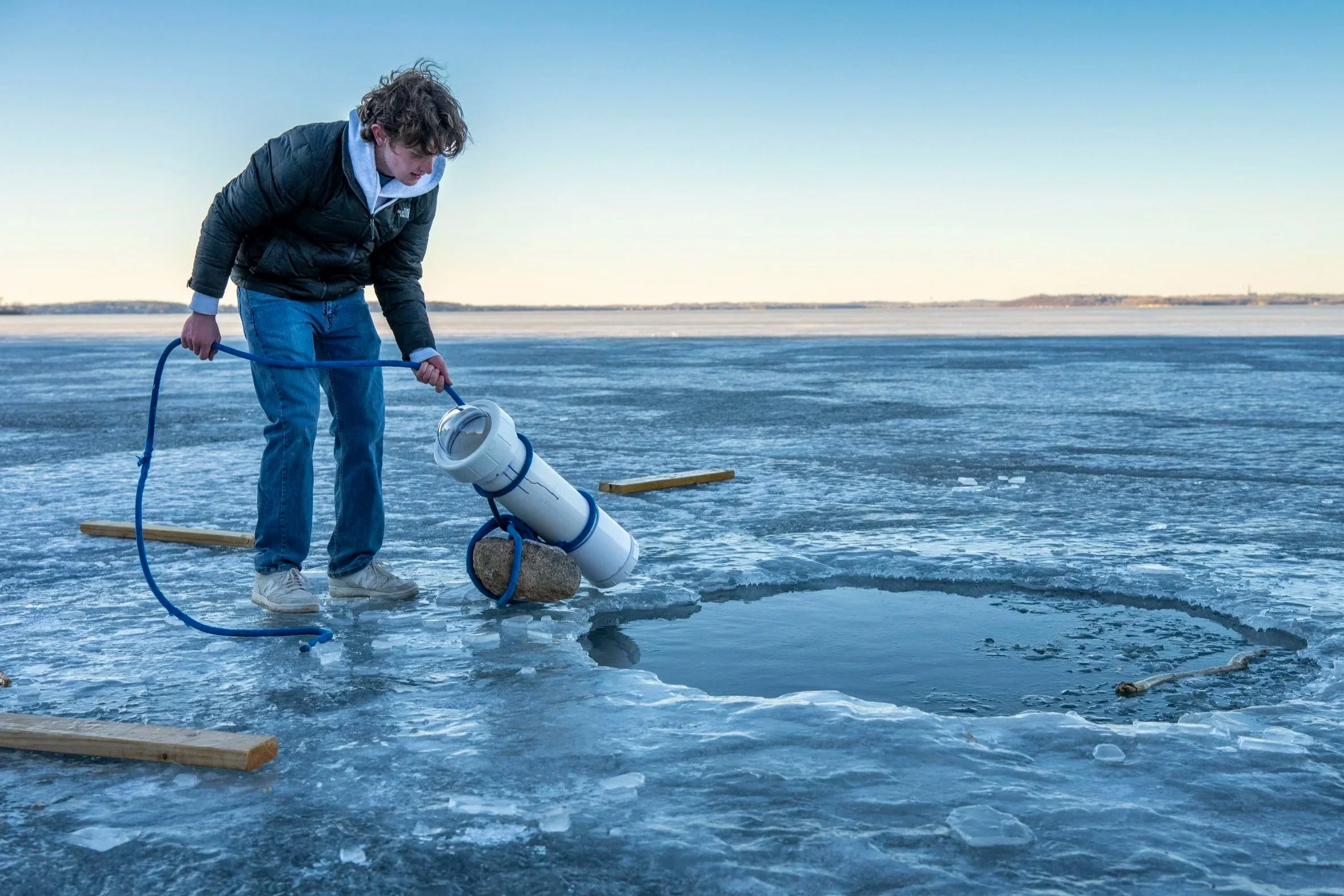
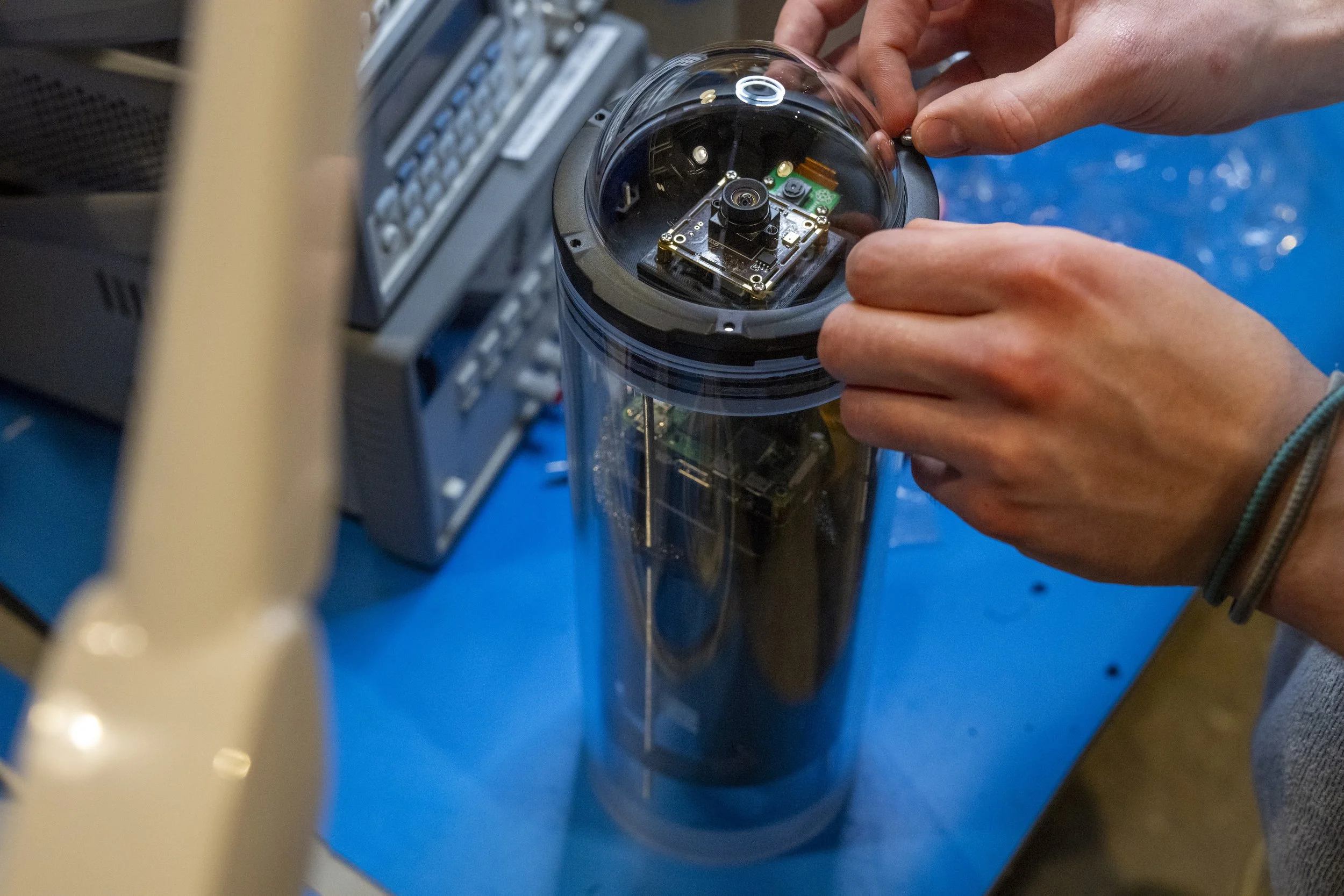
Aquatic Camera Traps Are Here.
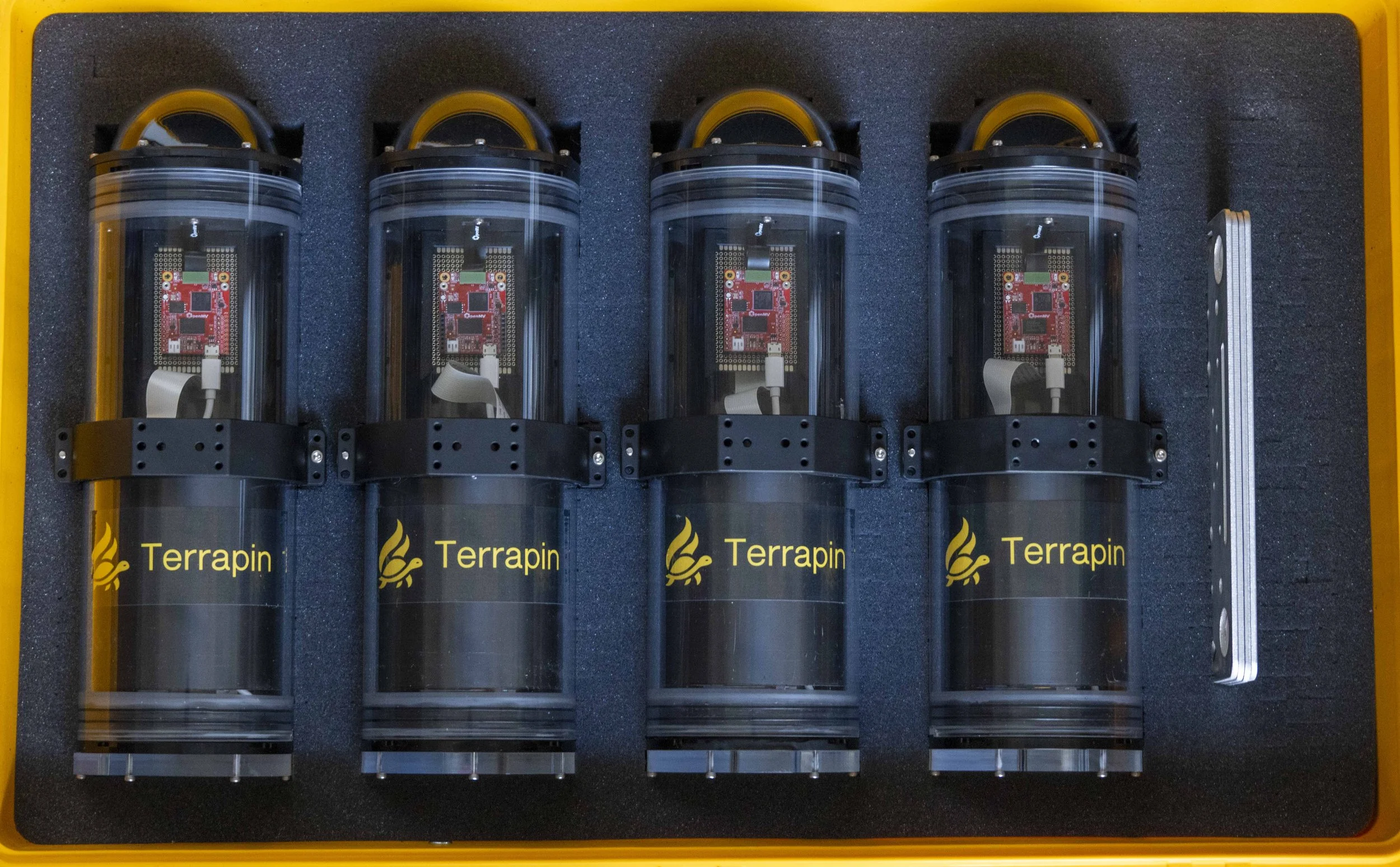
Meet the Terrapin 1: the first motion-activated camera trap on the market that works underwater. Combining smart sensing with multi-week deployment, it makes long-term aquatic monitoring simple and cost-effective.
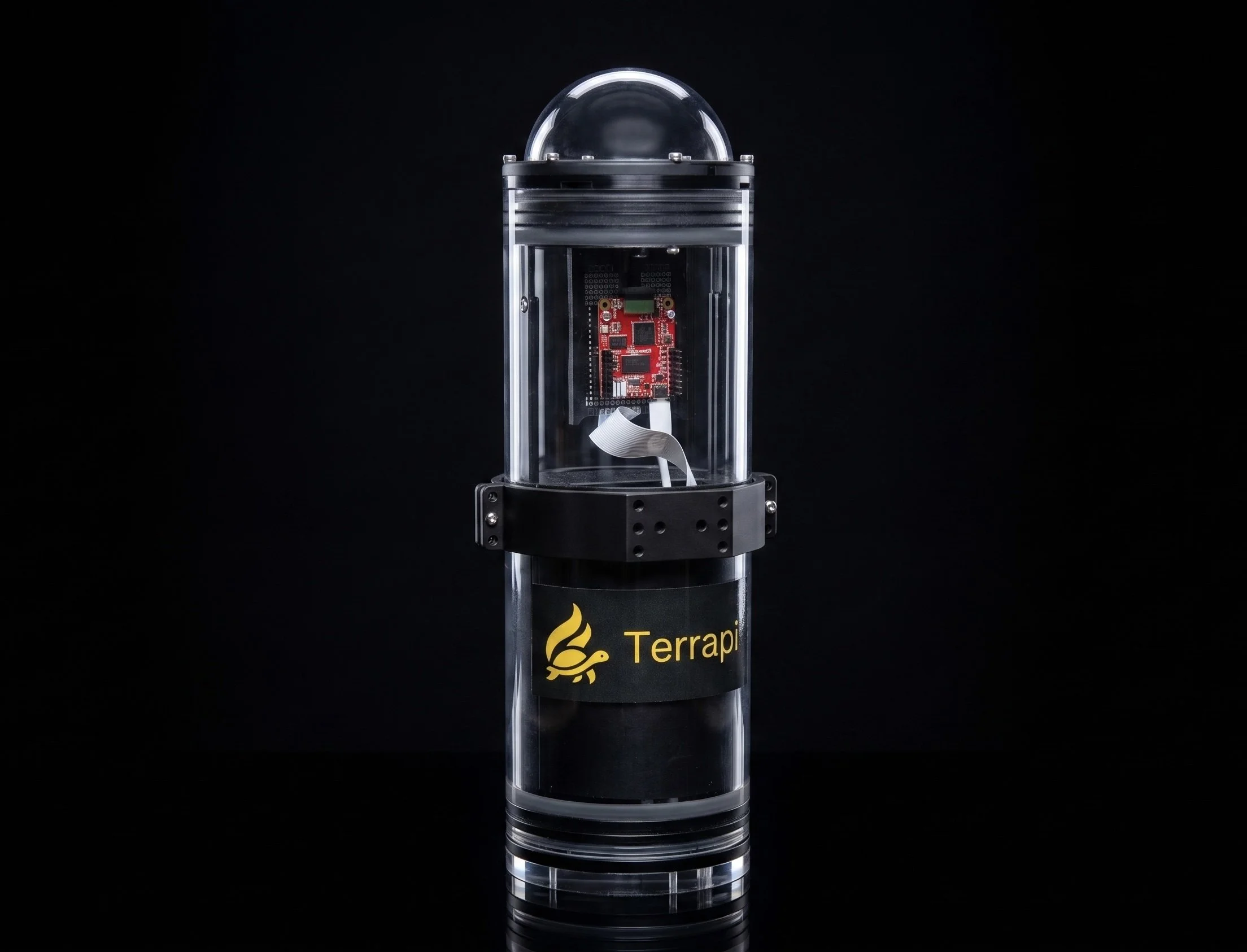
Products for aquatic monitoring and documentation
Capture the Moments That Matter
Autonomous data collection that saves time and reduces costs in the field.
Photography
Research
Conservation
Fishing
Surveillance
Monitoring
Photography Research Conservation Fishing Surveillance Monitoring
Key Features
-
Our innovative motion detection technology captures only the moments that matter. This saves power, extends deployment, and reduces time spent processing empty frames.
Detecting motion underwater isn’t easy. Most land camera traps rely on passive infrared sensors to trigger, but these sensors don’t work well when submerged. That’s why there haven’t been any aquatic camera traps on the market, until now!
-
Terrapin 1 was engineered to be ultra-power efficient, lasting up to 2 weeks on battery. This maximizes deployment time and reduces the total size of the unit.
Longer deployments can save time and money, eliminating the need for daily camera checks.
Our rechargeable 122Wh Lithium ion battery is small enough to carry on most commercial airlines.
To save power when it’s dark, the Terrapin 1 automatically turns off at night.
-
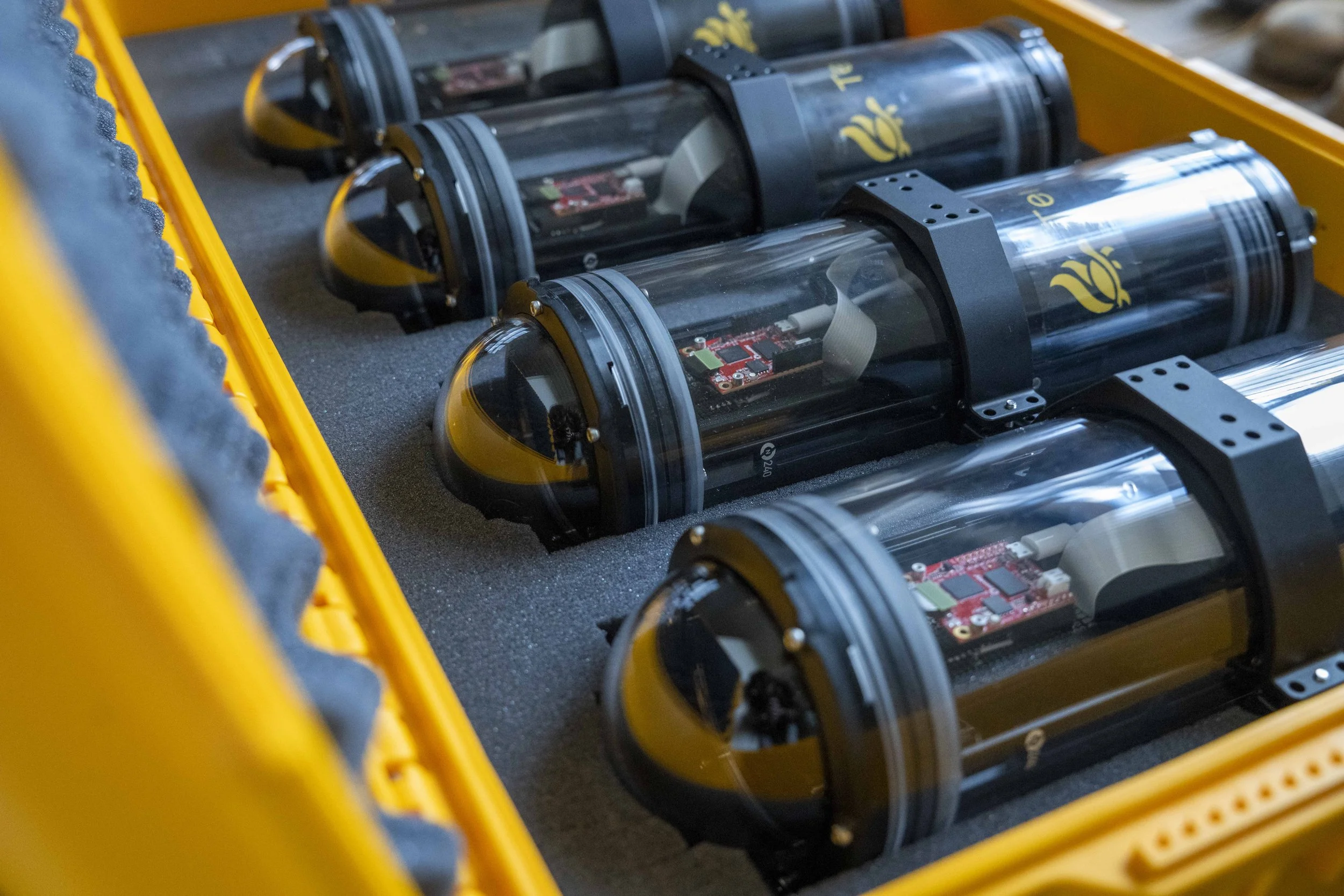
The Terrapin 1 is easy to transport and small enough to fit in a backpack.
Size: 14.5 in long, 4.5 in diameter
Weight: 5 lbs (An additional 5lb weight is need to sink Terrapin 1, weight provided)
-
Terrapin 1: Research Grade comes equipped with a 720p HD camera, perfect for tracking and identifying aquatic life.
Terrapin 1: Photography Grade is compatible with any DSLR or Mirrorless camera that has a shutter release port, so the image quality it up to you!
-
The Terrapin 1 has a 100 meter depth rating. This can be extended up to 1000 meters on request.
-
Terrapin 1 can be toggled to take photos or videos when motion is detected.
Sensitivity can also be adjusted which raises or lowers the threshold required for a photo or video to be taken.
-
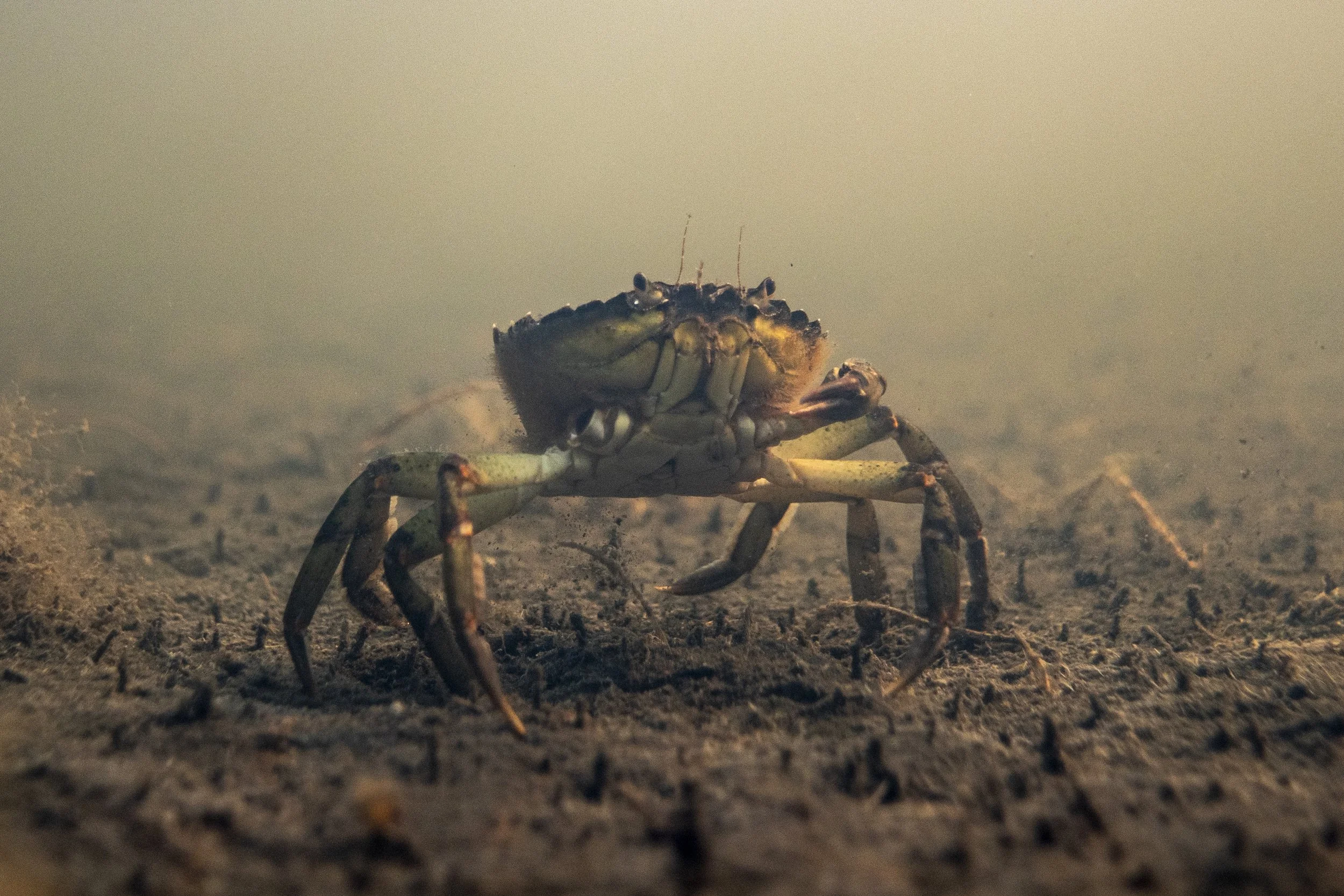
Terrapin 1 works in both salt and fresh water ecosystems. It also works on land and intertidal environments.
The camera trap can only document as far as is visible in the water. Be aware of this if you’re working in highly turbid conditions.
Just in case, the camera trap comes with an antimicrobial coating to prevent biofilm build up.
Responsive Motion Detection
Green means ready. Red means motion detected.
The Terrapin 1 flashes indicator lights to assist with sensor testing and deployment. To prevent disturbing wildlife, these lights automatically shut off after 5 minutes.
Products
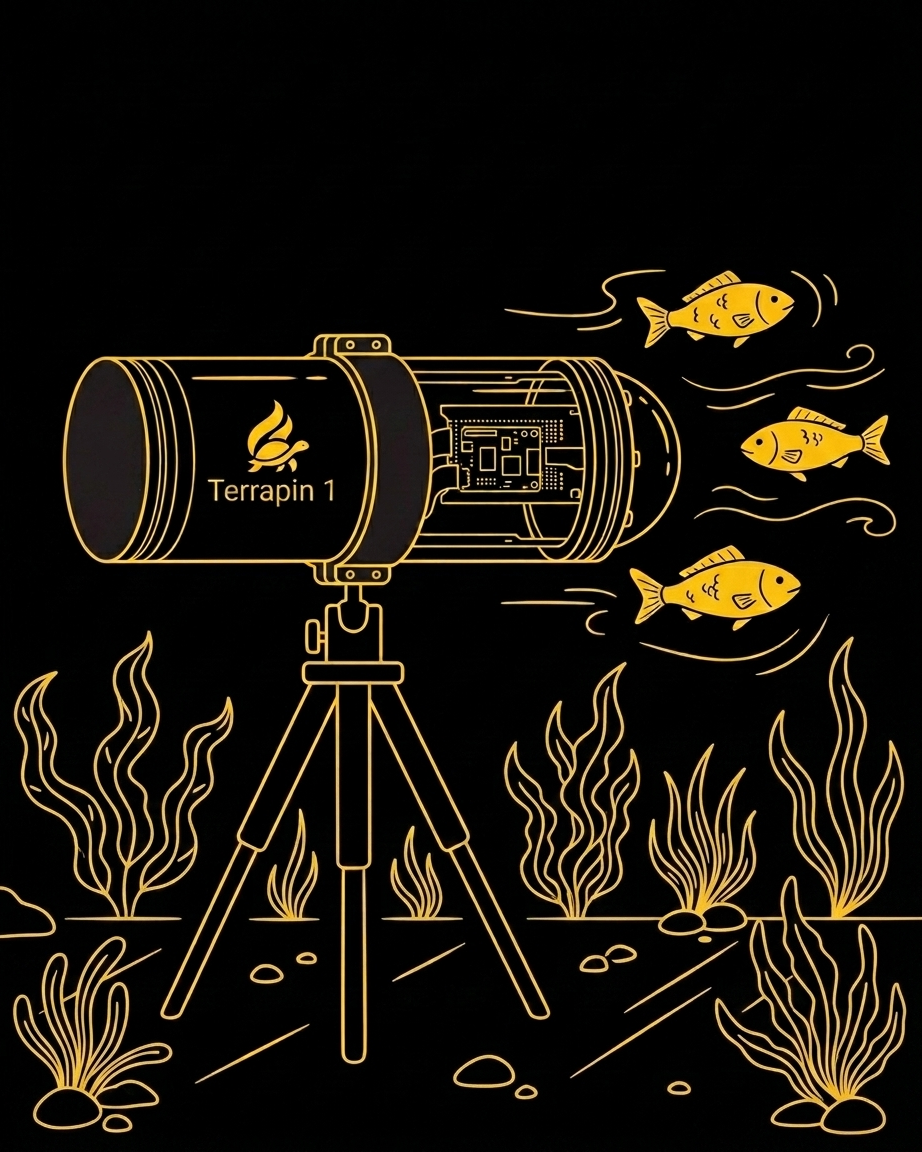
This all-in-one monitoring system is ideal for identifying, surveying, and tracking aquatic wildlife with zero human disturbance. By capturing only motion-triggered events, it drastically reduces data processing time and saves valuable budget on extended field deployments.
Terrapin 1: Research Grade
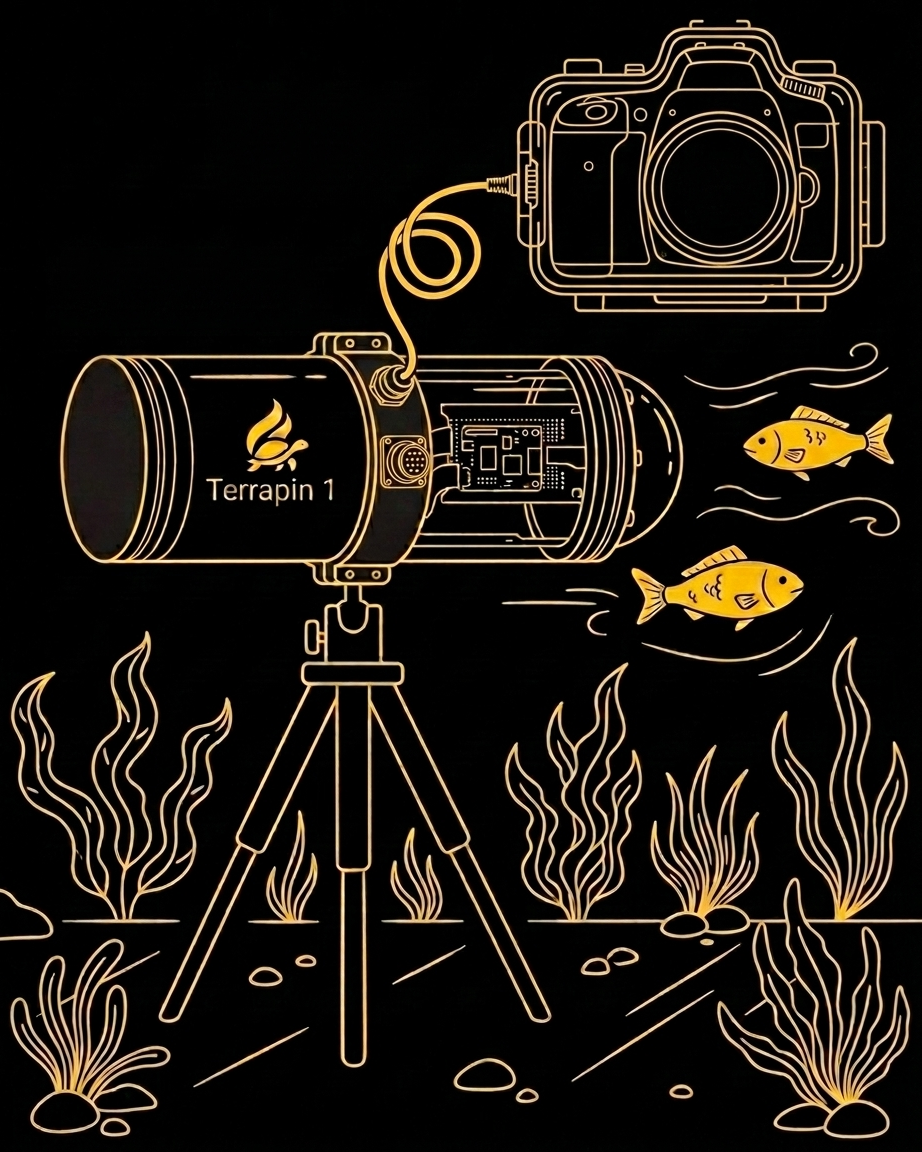
Built specifically for underwater photographers, the Terrapin 1 Photo Grade acts as a motion trigger that plugs directly into any DSLR or mirrorless camera's shutter release port. By attaching this sensor to your existing external camera housing, you can automatically capture stunning, close-up imagery of elusive aquatic life with zero human disturbance.
Terrapin 1: Photo Grade
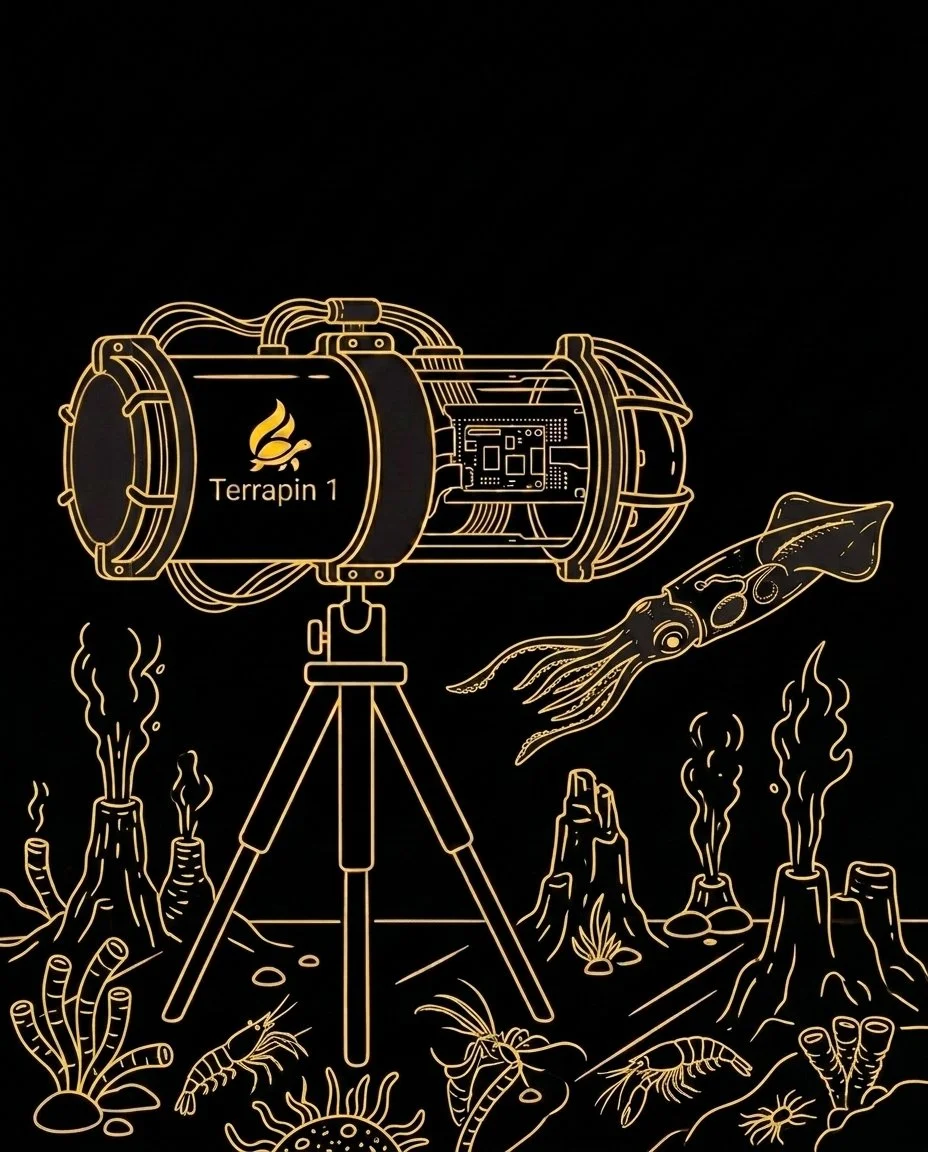
For missions that push the boundaries of standard aquatic exploration, our Custom service provides a premium, tailor-made Terrapin 1 system engineered for your exact environment. Whether your project demands extreme depth ratings, extended battery life, or highly specialized camera integrations, we will build the exact tool you need to document what has never been seen before.
Terrapin 1: Custom
Who We Are
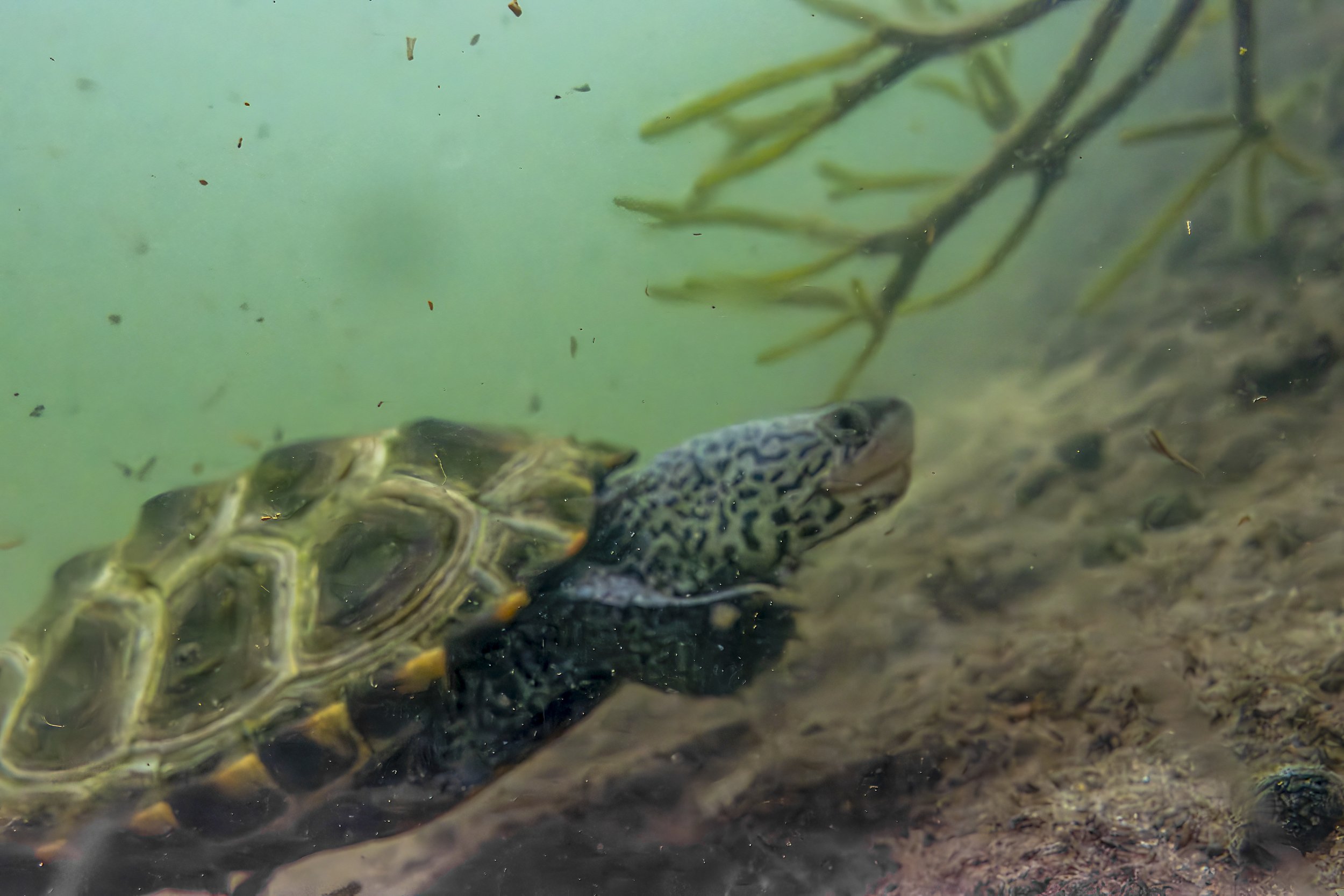
In 2024, we built our first aquatic camera trap for National Geographic’s Project Marshlight. Our goal was to document elusive diamondback terrapins without human disturbance.
After an influx of interest in our technology, Goldburn was founded with the goal of making the Terrapin 1 accessible to all. At our core, we design innovative tools that help us see and understand more of the natural world. Learn More
(Photo by Russ Laman / National Geographic)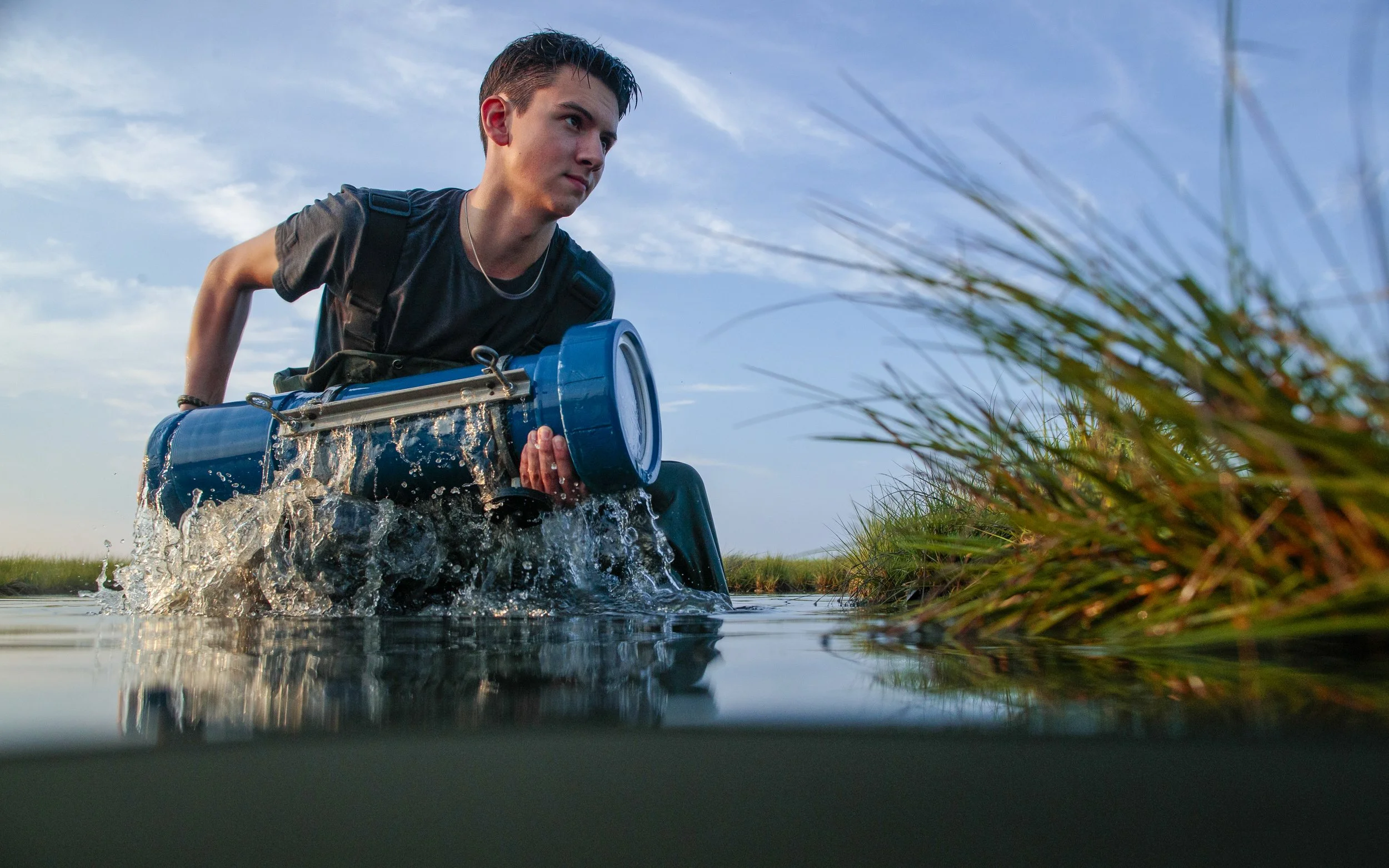
Follow Our Journey